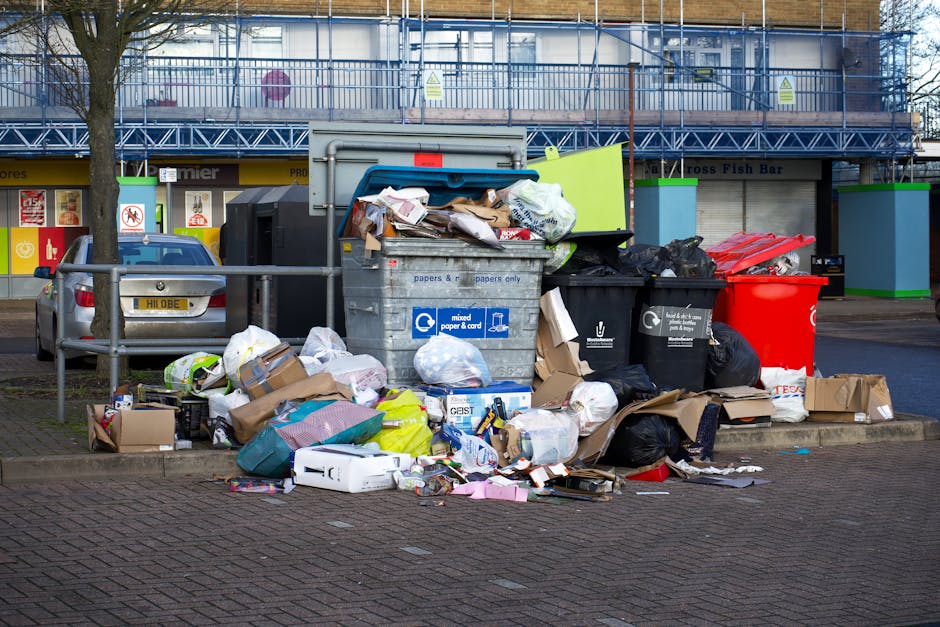
N10 bulky rubbish collection tips for flats

If you live in a flat, bulky waste can become awkward fast. A broken wardrobe in the hallway, a tired mattress leaning by the front door, or an old sofa that simply will not fit in the lift can turn one tidy plan into a bit of a headache. That is where N10 bulky rubbish collection tips for flats really help: they make the job safer, cleaner, and less stressful, whether you are clearing one item or an entire room.
In this guide, you will learn how bulky rubbish collection works in flat buildings, what to check before you book, how to avoid access problems, and which removal method is likely to suit your building best. We will also cover common mistakes, practical tools, and the kind of planning that saves time on the day. Truth be told, a little prep goes a long way with flats.
If you are comparing disposal options too, it can help to look at broader services such as rubbish removal or mattress and sofa disposal when those are the main items taking up space.
Why N10 bulky rubbish collection tips for flats Matters
Flat living changes the whole waste-removal picture. You are not just thinking about getting rid of an item. You are thinking about stairwells, lifts, shared entrances, neighbours, building rules, parking, and whether the item will actually fit through the door without a minor battle. One awkward corner can make a simple job feel impossible.
In N10, many homes and apartment blocks have limited access, narrow communal hallways, timed loading bays, or residents' parking restrictions. That means bulky waste collection is never just about lifting something heavy. It is about planning the route out of the building and making sure the removal team can work safely and quickly. If you skip that part, delays are almost guaranteed. And nobody wants a sofa stranded halfway down the stairs while the building manager sighs in the background.
These tips matter because bulky items can become a fire escape issue, a trip hazard, or a nuisance if they are left in shared spaces. They also matter financially. Better planning often means fewer wasted call-outs, fewer extra labour charges, and less chance of needing a second visit. That is especially useful in flats, where access can be the real cost driver.
There is also the question of neighbour relations. Let's face it, in a shared building, one badly timed move can annoy five households. A bit of coordination keeps everyone happier.
How N10 bulky rubbish collection tips for flats Works
At its simplest, bulky rubbish collection for flats follows a few stages: identify the items, check access, choose the right removal method, prepare the items, and arrange collection. The detail matters though, because flat buildings have quirks that houses do not.
Here is the usual flow:
- List the bulky items - sofas, mattresses, wardrobes, white goods, desks, shelving, and broken furniture are common examples.
- Check how they will move out - stairs, lift size, door widths, corridor bends, and any sharp corners all matter.
- Decide on the service type - full collection, wait-and-load, skip hire, man-and-van, or a hybrid approach.
- Prepare the items - dismantle where sensible, remove loose parts, and keep walkways clear.
- Confirm building access - especially if a code, fob, concierge, or parking permit is needed.
- Set collection timing - avoid peak commuter hours if access is tight and keep neighbours informed.
In practice, this is where the difference between a smooth collection and a frustrating one often shows up. A team can only work quickly if the building allows it. If a lift is tiny, the hallway is cluttered, or the item needs to be carried across a long courtyard, that should shape your plan from the start.
If you are unsure which disposal route fits best, the service pages for wait-and-load skip hire and man and van can be useful to compare with a standard collection approach.
Key Benefits and Practical Advantages
Good planning does more than save hassle. It improves safety, keeps the building tidy, and often keeps the total job simpler than people expect.
- Less disruption for neighbours - quicker movement through shared areas means less noise and fewer complaints.
- Safer handling - bulky items can be awkward, heavy, and surprisingly slippery. Planning helps reduce strain and damage.
- Better cost control - clear access and accurate item lists can reduce surprises on the day.
- Cleaner communal spaces - less risk of rubbish being left in hallways or by bin stores.
- Faster collection times - the right method and preparation usually lead to a smoother job overall.
- More recycling opportunities - separating reusable or recyclable items in advance can improve the final outcome.
There is another quiet benefit that people sometimes miss: less decision fatigue. When you know the plan, the whole thing stops feeling like a looming chore. You just get on with it. That is worth something in itself.
Expert summary: For flats, the best bulky rubbish plan is usually the one that reduces movement inside the building. The less a team has to wrestle with stairs, corners, and shared spaces, the smoother the collection tends to be.
Who This Is For and When It Makes Sense
This guide is for flat owners, tenants, landlords, property managers, letting agents, and anyone dealing with bulky waste in a shared building. It is especially relevant if you are clearing out after a tenancy, replacing furniture, moving home, or dealing with a sudden pile-up of old items after a refurb.
It also makes sense if:
- your flat has no private outdoor space for storing rubbish;
- the lift is too small for larger items;
- the building has restricted parking or loading access;
- you need items removed quickly and cleanly;
- you are managing waste for more than one flat, such as in a block or conversion;
- you want a disposal option that avoids leaving items on the pavement.
A lot of people start looking into bulky rubbish collection after one of three moments: a spring clear-out, a move-out deadline, or the day a heavy item finally gives up on life. That wobbling bookcase in the hallway? Yes, that is the sort of moment.
If you are clearing larger household items as part of a bigger project, related services like house clearance or garage and loft clearance may also be relevant depending on what else needs removing.
Step-by-Step Guidance
1. Identify exactly what needs to go
Start with a proper list. Do not just say "a few bits." Note the item type, approximate size, and whether it can be dismantled. A wardrobe and a mattress are very different problems. So is a heavy chest of drawers compared with a broken coffee table.
2. Measure access, not just the item
Measure door widths, hallway turns, lift dimensions, stair landings, and the route from your flat to the exit. If a sofa can fit in the lounge but not around the stair bend, that is useful to know before collection day, not during it.
3. Check building rules
Some blocks have rules about moving large items, booking lifts, protecting floors, or using service entrances. A short conversation with the managing agent or concierge can prevent a lot of grief later on.
4. Choose the right removal method
This is where the job becomes practical. If the items are few and access is easy, a straightforward collection may work best. If parking is tight and the collection team can load quickly, wait-and-load can be efficient. If you have several bulky items or mixed waste, a larger service may be better value overall.
5. Prepare the items
Remove loose cushions, drawers, shelves, and detachable legs if it makes the item safer to move. Tape doors shut where needed. Empty any cabinets. You do not want contents spilling out in the corridor. Been there? Not ideal.
6. Clear the route
Move shoes, mats, bikes, and any other obstacles out of the way. Protect corners if your building is tight. Even shifting a hallway plant pot can save a scraped wall and an awkward apology.
7. Time the collection well
Try to avoid the school-run rush, peak commuter hours, or times when the building is busiest. Early morning or mid-afternoon often works better, but that depends on your block. The quieter the building, the easier the lift-up-and-go process.
8. Confirm what happens after collection
Ask whether items are sorted for reuse, recycling, or disposal. If the service includes recycling or responsible transfer, that is a positive sign. It is also useful if you are trying to keep the clear-out as tidy and sustainable as possible.
Expert Tips for Better Results
A few small decisions can make a surprisingly big difference. In our experience, the smoothest flat collections are the ones that remove uncertainty before the truck or crew arrives.
- Take photos first - especially for awkward items. Photos help with planning and reduce misunderstandings.
- Bundle matching items together - if you have several chairs or dismantled shelves, keep them near each other.
- Leave enough room to work - a cramped landing slows everything down.
- Use simple labelling - if some items are staying and others are going, mark them clearly.
- Ask about heavy-item handling - fridges, armchairs, and wardrobes may need a different approach.
- Think about weather and timing - a wet entrance or a dark evening slot can make the job less pleasant for everyone.
One practical trick: if the item is borderline too large, dismantle it before collection rather than hoping for a miracle on the day. Hope is lovely, but measurements are better.
For bulky furniture, it can also help to compare your options with fridge and appliance removal or builders waste removal if the waste mix includes hard items from a renovation or kitchen swap.
Common Mistakes to Avoid
Most flat-related bulky waste problems come from the same handful of mistakes. Once you know them, they are easy enough to avoid.
- Not measuring access - people often measure the item and forget the route out.
- Leaving everything until the last minute - that is how collections become rushed and messy.
- Assuming the lift will solve everything - lifts are helpful, but only if the item fits and the building allows it.
- Blocking corridors or exits - this can create safety issues and irritate neighbours.
- Mixing prohibited items with regular waste - hazardous items, electricals, and sharp materials may need separate handling.
- Not checking parking or access - a collection vehicle cannot magically appear inside a closed courtyard.
- Forgetting about noise and timing - early starts or late-night moves can cause avoidable complaints.
A smaller but real mistake is overfilling bags with heavy debris and thinking, "That'll do." Then the bag splits in the lift lobby. Not fun. Not clever either.
Tools, Resources and Recommendations
You do not need specialist equipment for every collection, but a few simple tools make life easier.
- Tape measure - for checking doorways, lifts, and stair turns.
- Protective gloves - useful for rough edges and splintered wood.
- Strong tape or straps - helpful when securing drawers, doors, or dismantled parts.
- Blankets or corner guards - good for protecting walls and furniture during movement.
- Phone photos - handy for documenting item condition and planning access.
- Marker labels - useful in mixed clear-outs so nothing gets moved by mistake.
On the service side, the most relevant options for flat bulky waste are often skip hire, domestic skip hire, enclosed and lockable skip hire, and waste recycling services. The best choice depends on access, volume, and whether you need a short-term or more flexible arrangement.
If you are still comparing price and practicality, the site pages for skip sizes and prices and pricing and quotes are useful starting points before you commit.
Law, Compliance, Standards, or Best Practice
Flat rubbish collection does not need to become a legal deep dive, but a few best-practice points matter. In the UK, household waste should be handled responsibly, and in shared buildings you should avoid leaving items in communal areas where they could block access or create a hazard. That sounds obvious, but in real life, people do it anyway.
If you are arranging removal yourself, be careful with items that may need special handling. Electrical appliances, refrigerants, sharp materials, and anything contaminated should not be treated like ordinary furniture. Some waste streams need separate disposal, and certain items are best handled by a service that understands recycling and safety requirements.
Building management rules can also come into play. Some landlords or freeholders require advance notice before moving bulky items through shared parts of the property. Others insist that lifts are booked and protected. Best practice is to ask first, then move. Not the other way round.
For businesses or landlords dealing with larger volumes, services such as commercial skip hire or site clearance may be more appropriate, especially where the waste comes from ongoing work rather than a one-off tidy-up.
If safety is a concern, especially with heavy lifting or mixed waste, it is worth checking the provider's approach to insurance and safety and health and safety policy. That is not paperwork for paperwork's sake. It tells you a lot about how seriously the work is handled.
Options, Methods, or Comparison Table
Not every flat needs the same bulky waste solution. Here is a practical comparison to help you think it through.
| Method | Best for | Strengths | Watch-outs |
|---|---|---|---|
| Standard bulky rubbish collection | One-off furniture or appliance removal | Simple, quick, tidy | Needs clear access and accurate item list |
| Wait-and-load | Flats with parking or loading restrictions | No skip left outside, fast turnaround | Timing has to be tight; not ideal for large volumes |
| Skip hire | Mixed waste or larger clear-outs | Good for larger volumes and staged loading | Needs space and may require permits or permissions |
| Man and van | Quick household clear-outs and awkward items | Flexible, handy for stairs and tight access | May be less cost-effective for very large jobs |
| Enclosed skip hire | Shared buildings or security-sensitive locations | Cleaner appearance, added security | May have capacity limits |
If your flat has awkward access, a lift that barely fits a shopping trolley, or a shared forecourt with limited parking, wait-and-load or man-and-van often makes more sense than a traditional skip. If you are clearing several rooms, a skip or lockable skip may be better. To be fair, the "best" option is usually the one that fits your building, not the one that sounds simplest on paper.
Case Study or Real-World Example
Picture a two-bedroom flat in N10 with a bulky corner sofa, an old desk, a mattress, and a dismantled wardrobe. The residents had assumed everything would fit in the lift. It almost did. Almost. The sofa was the problem, naturally.
Instead of forcing the issue, they measured the route from the front door to the street, confirmed the lift booking with building management, and cleared the hallway before collection day. The wardrobe was dismantled in advance, the drawers were emptied, and the mattress was wrapped so it could be carried cleanly. The collection team could move item by item without stopping to rearrange half the flat.
The result was predictable in the best way: no damage to the walls, no blockage in the communal hall, no last-minute panic. What could have taken half a day turned into a smooth, fairly ordinary morning. And honestly, ordinary is what you want with rubbish removal.
That sort of outcome is common when the access plan is thought through. The waste itself is rarely the real problem. It is the path out of the building that usually matters most.
Practical Checklist
Use this checklist before collection day. It is simple, but it works.
- List every bulky item that needs removing.
- Measure doorways, lifts, stair turns, and corridor access.
- Check building rules, parking restrictions, and access times.
- Choose the right disposal method for the volume and item type.
- Dismantle furniture where safe and sensible.
- Empty drawers, shelves, and cupboards.
- Keep hallways, exits, and shared areas clear.
- Separate any hazardous or specialist waste.
- Book the collection at a time that suits the building.
- Confirm what happens to the waste after it is collected.
- Take photos if you need proof of item condition or access limitations.
- Leave a contact number in case the crew needs guidance on arrival.
Before you finish, one small check: can the item actually get out the door without a wrestling match? If the answer is no, dismantle it now. Future-you will be grateful.
Get a free quote today and see how much you can save.
Conclusion
Bulky rubbish collection in flats is never just about lifting old stuff away. It is about route planning, building awareness, neighbour consideration, and choosing the right method for your access. The better prepared you are, the easier the whole job becomes. That is the real lesson behind the best N10 bulky rubbish collection tips for flats.
If you remember only three things, make them these: measure first, plan the access, and match the service to the space. Do that, and most of the stress falls away before collection day even begins. Small effort. Big payoff.
And if the job still feels a bit too much, that is fine. Lots of people feel that way with bulky waste in a flat. The good news is, once the plan is sorted, it tends to move from overwhelming to very manageable. One step at a time, and then it is gone.
Frequently Asked Questions
What counts as bulky rubbish in a flat?
Bulky rubbish usually means items that are too large or awkward for normal bin collection, such as sofas, mattresses, wardrobes, tables, chairs, appliances, and similar household items.
Do I need permission to remove bulky items from a flat building?
Sometimes, yes. Many blocks ask residents to book lift use, use service entrances, or give notice if items will pass through shared spaces. It is best to check with building management first.
Is wait-and-load better than skip hire for flats?
Often it is, if parking is tight or the building has no good place for a skip. Skip hire can suit larger clear-outs, but wait-and-load is usually more practical for limited access.
How do I know if a sofa will fit out of the flat?
Measure the widest points of the sofa and compare them with doorways, lift dimensions, and stair turns. If it looks tight on paper, it will feel tighter in real life.
Can I leave bulky waste in a communal hallway before collection?
You generally should not leave items in shared spaces for long periods. They can block access, create safety issues, and cause complaints. Move them out as close to collection time as possible.
What if my bulky item is too heavy to move safely?
Do not force it. Dismantle it if possible, ask for help, or use a service that handles heavy lifting. A rushed move can damage both the item and the building.
Are electrical appliances treated differently?
Often, yes. Fridges, freezers, TVs, and similar items may need separate handling because of the materials and components inside them. Ask how they will be collected and processed.
How far in advance should I book a bulky rubbish collection for a flat?
That depends on availability and how complex the access is, but booking early is always better. If you need a specific time slot or have building restrictions, give yourself extra breathing room.
Can bulky rubbish be recycled?
Some items can be reused, dismantled, or recycled depending on condition and material. Furniture, metal parts, wood, and certain appliances may all be handled differently.
What is the cheapest way to remove bulky rubbish from a flat?
The cheapest option depends on item volume, access, and whether you can prepare everything in advance. A short collection with clear access is usually cheaper than a complicated one with delays.
Should I dismantle furniture before collection?
Yes, if it is safe and practical to do so. Dismantling can make removal easier, faster, and sometimes cheaper. Just keep the screws, fixings, and parts together so nothing goes missing.
What should I do if I am not sure which removal option is best?
Start by listing the items, checking access, and considering how much space the building allows. Then compare collection methods based on speed, volume, and access. A quick quote can help narrow it down too.