Skip Hire in Muswell Hill

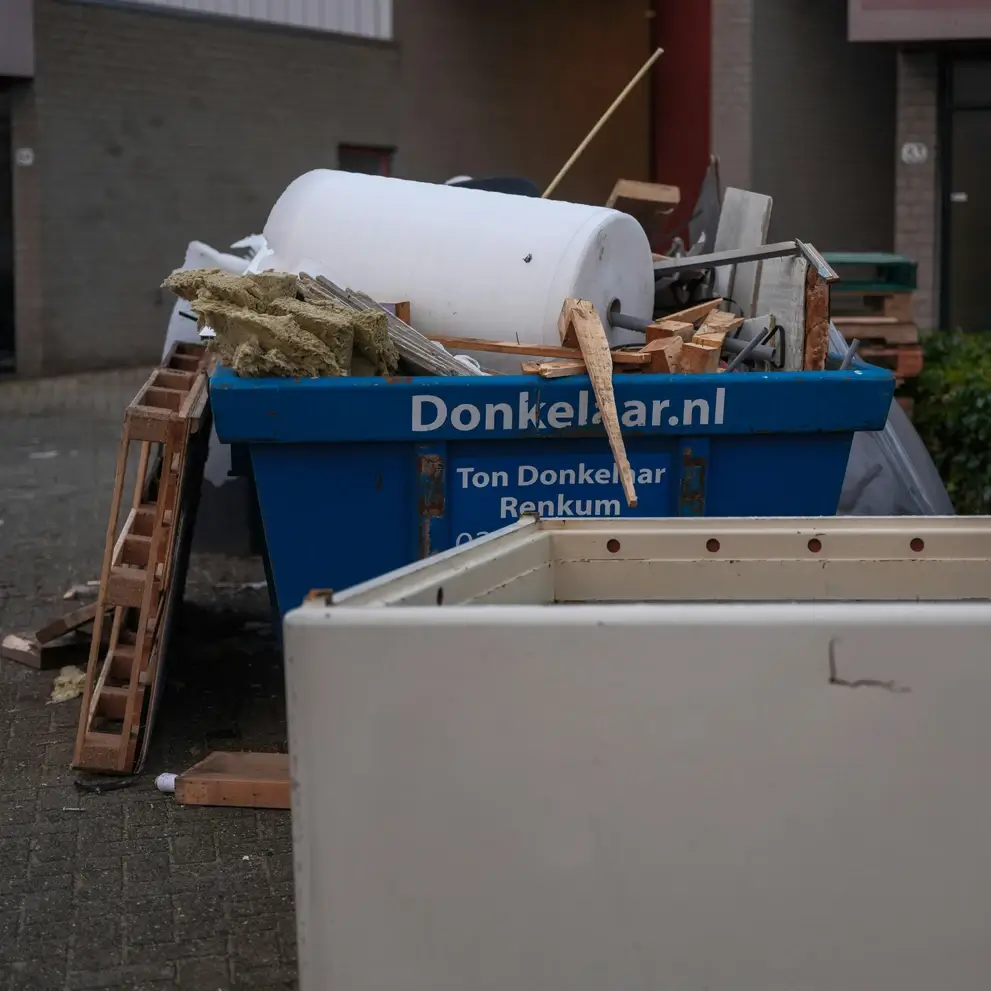
Skip hire in Muswell Hill is a practical way to clear household, garden, trade and renovation waste in one organised collection. Whether you are working on a property refresh, a declutter or a building job, the right skip size helps keep waste contained and easier to sort. Our service covers a straightforward choice of skip options, with guidance on permitted materials, access and collection arrangements so you can plan disposal with less disruption.
For many projects, the best result comes from matching the container to the type of waste rather than simply choosing the largest available size. Mixed loads, heavier rubble and lighter bulky items all behave differently, and that affects both loading and the finished price. If you are unsure where to begin, it is sensible to look at the waste stream first and then choose a skip that suits the quantity and the access at the property.
Use the options below to compare common skip-hire choices, related waste services and useful guidance such as permits, recycling and pricing. If you already know what you need, you can also send a clear enquiry through the site and request a quotation today.
Choosing the right skip for your project
The first decision is usually the sort of waste you need to remove. A tidy domestic clear-out often produces a different load from a bathroom strip-out, garden tidy or builder’s rubble pile. Smaller skips can suit straightforward jobs where space is tight, while larger skips may be better if you are dealing with repeated bagfuls or bulky items. A considered choice helps avoid overfilling, unnecessary swaps or the wrong container for the material.
We can support a range of project types through our core skip-hire pages, including domestic skip hire for home projects, builders skip hire for construction waste and commercial skip hire for business premises and ongoing waste streams. Each type has different loading habits, so a brief look at the intended use is usually the best starting point before you choose a size or service style.
Typical waste types and service choices
Some jobs are better handled as pure inert waste, such as bricks, tiles and soil, while others need mixed-waste capacity for timber, packaging and fixtures. If you are clearing out a loft, shed or garage, you may prefer a more general option like garage and loft clearance or house clearance where the emphasis is on removing a varied load efficiently. For building work, a dedicated rubble or builders skip is often more suitable than a general mixed waste arrangement.
Skip sizes, loading and practical limits

Understanding skip sizes is more than a question of capacity. The shape of the waste, the weight of the material and the available access all influence what is sensible. Heavy materials can fill a skip by weight long before they fill it by volume, while light bulky waste can do the reverse. A balanced choice reduces the risk of needing additional collections or leaving waste stacked unsafely around the property.
Our skip sizes and prices page is useful when you want to compare capacity and likely cost factors together. If you need something for a smaller footprint, wait and load skip hire can be a practical alternative where space or parking is restricted. For customers who want a more enclosed option, enclosed and lockable skip hire can help keep contents covered and protected where that style is appropriate.
Loading well matters just as much as selecting the right container. Flat items, awkwardly shaped furniture and waste that settles unevenly can create wasted space, so sensible stacking helps you make full use of the skip. Avoiding prohibited materials is equally important, and the guidance on what can go in a skip gives a clearer picture of what is commonly accepted and what needs a separate disposal route.
Domestic clear-outs and household waste

Household jobs often start with one room and expand as the clear-out progresses. A loft, garage or spare room can hold everything from broken small furniture to bags of old textiles, packaging and general clutter. For those jobs, the value of skip hire is convenience: waste can be gathered in one place rather than split between repeated tip runs. This is especially helpful when the items are awkward to carry or too numerous for ordinary bin collections.
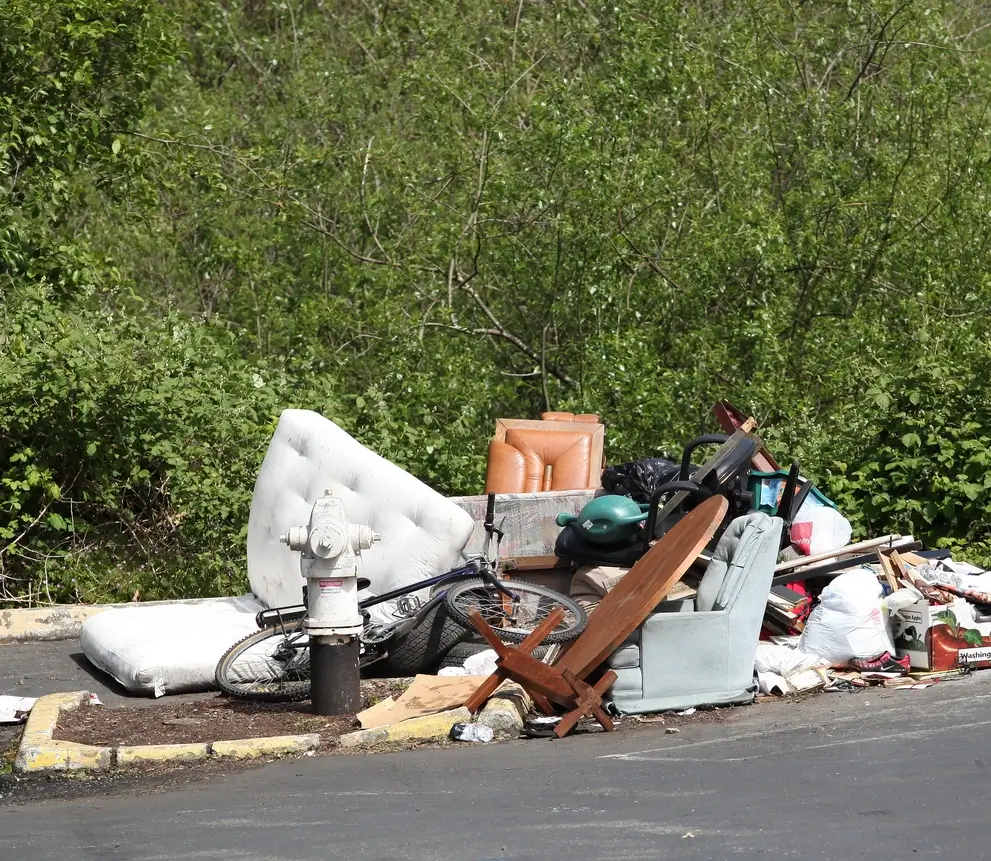
If your project is domestic, the related pages for house clearance, garage and loft clearance and mattress and sofa disposal can help you choose the right approach for bulky household items. Some materials need careful handling or a separate collection, so it is worth checking the best route before loading the skip. That reduces surprises and helps make sure the job is handled in the right order.
- Use domestic skip hire for mixed household waste from clear-outs or light renovation work.
- Choose a clearance service when the main issue is bulky furniture or accumulated items.
- Check specific item rules before adding mattresses, appliances or restricted materials.
Building, refurbishment and site waste
Building and refurbishment projects create waste that is often heavier and more predictable than household clutter. Bricks, plasterboard, tiles, timber offcuts, packaging and broken fixtures each behave differently in a skip, so planning the load matters from the start. A skip used for renovation debris should be filled with the waste stream it was chosen for, rather than treated as a general catch-all for every item on site.
For construction-related work, our construction waste disposal and construction waste clearance pages are useful alongside demolition waste removal and site clearance. These services support different stages of a project, from removing spoil and broken materials to clearing space once work has finished. If the job includes a steady stream of arisings, it can be worth discussing the order of waste removal before the site fills up.
Our builders-focused options are designed to keep the disposal side of a project organised while the work continues. Clear segregation of waste types can make loading easier and help you avoid mixing materials that need separate treatment. If you are comparing disposal methods, you may also want to review grab hire services or grab lorry hire where access, volume and material type make a different collection method more appropriate.
Garden waste, bulky items and outside areas

Garden work often creates a lighter but surprisingly bulky mix of clippings, soil, turf, branches, fence panels and weathered outdoor items. A skip can be an efficient way to gather that waste in one controlled place, especially when work is spread over several days. The right approach depends on whether the main load is green waste, heavier spoil or a general mixture from an outdoor refresh.
Our garden waste removal service is useful for green material, while muck away services can be more suitable where soil and excavation spoil are the main issue. For larger outdoor projects, rubbish removal and house clearance may be better suited to mixed items, old garden furniture or contents from sheds and outbuildings. Choosing the right route can keep loading simpler and prevent waste being split across several collections unnecessarily.
If you are arranging this kind of work, think first about access to the property and whether the waste will be carried from the rear garden, side passage or front drive. A tidy, accessible loading point often makes the whole process smoother. If you are ready to compare options, you can move from planning to a quotation request with a simple enquiry.
Permits, access and where the skip can go
Placement is a central part of skip hire, because the best container size is not always the best location. If a skip can go on private land, loading is usually simpler; if it needs to sit on the road, permit rules may apply. Access width, turning room and the route from the property to the skip all matter, especially where parking is tight or the waste has to be moved through a narrow entrance.
To help with that side of planning, we offer clear guidance through skip permits and skip hire permits. These pages are useful if the container may need to sit in a public place and you want to understand the permission process before arranging delivery. If access is limited but the waste still needs moving, wait and load skip hire can be a practical answer in some circumstances because the vehicle is not left on site for long.
The detail that matters most is usually simple: where the waste is, how it will be carried, and whether the container can be placed safely and legally. If the route is awkward, it is better to flag that early than to discover the problem on the day. That way the service can be matched to the property rather than forced into an unsuitable arrangement.
Prices, quotations and what affects the cost
Skip-hire prices are shaped by a few practical factors rather than one single figure. The size of the container, the type of waste, the duration of hire and the need for permits can all affect the overall cost. Heavier material and specialist disposal streams may also change how the job is priced, so it helps to describe the load accurately when asking for a quote. A clear summary often leads to a more useful comparison.
For a broader view of cost factors, visit pricing and quotes alongside skip sizes and prices. If your project involves materials that may be recycled or sorted separately, the page on recycling and sustainability explains how responsible waste handling fits into the wider disposal process. We also provide payment and security information for customers who want to understand the process before placing an order.
When preparing a quotation request, it is helpful to note the waste type, the approximate amount, the access conditions and the location where the container may sit. One brief, accurate description is usually enough to begin. If you are still comparing options, take a moment to review the relevant service page and then request a quotation when you are ready.
Recycling, restricted items and responsible disposal
Responsible disposal is an important part of skip hire because not every material can be treated in the same way. Some loads are suitable for sorting and recycling, while others contain items that need separate handling or a different route altogether. Knowing this in advance helps avoid contamination and makes the loading process more straightforward for the customer. It also supports a cleaner, better organised approach to waste management.
If you want to understand accepted and restricted materials before booking, the most relevant pages are what can go in a skip, hazardous waste disposal and fridge and appliance removal. Some materials must not be mixed with ordinary household or builder’s waste, and certain bulky items may need separate collection. The key is to sort the waste at the point of loading rather than waiting until the container is full.
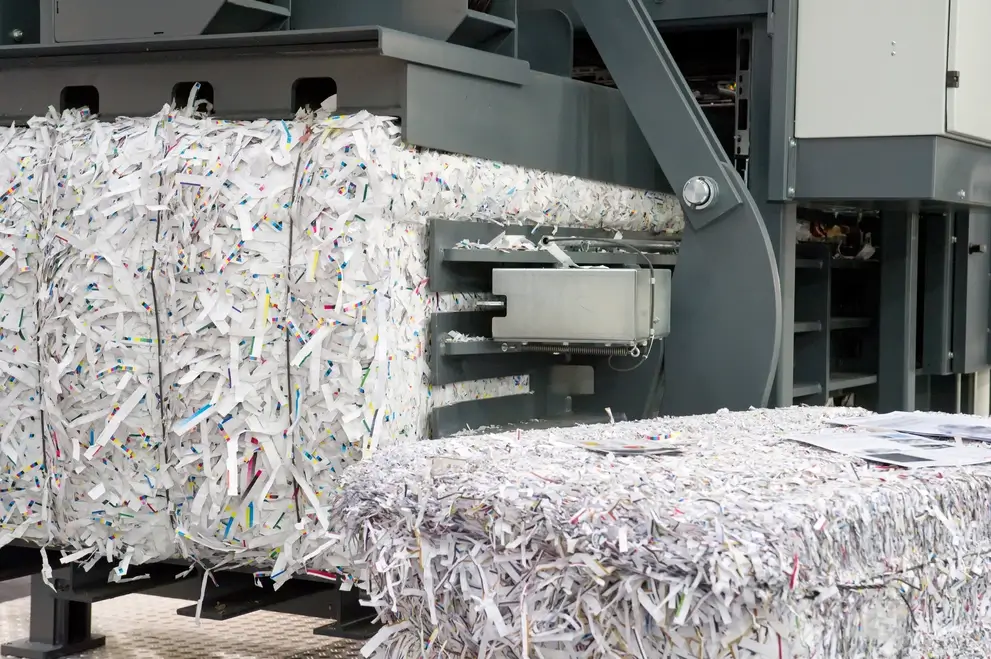
For customers with ongoing waste concerns, waste recycling services can sit alongside the usual skip option where recovery and sorting are important. If you are clearing out a set of mixed items, the pages for confidential shredding and office clearance may also be relevant. The right disposal route depends on the material, not just the convenience of putting everything in one place.
About Muswell Hill
Muswell Hill is a high ground district in north London, traditionally associated with wide residential streets, local shopping parades and long views across the capital. The area takes its name from a medieval spring or “mossy wellâ€, and its later growth was shaped by suburban development during the nineteenth and early twentieth centuries. Much of the neighbourhood is now recognised for its handsome period houses, Edwardian terraces and carefully arranged side streets, which give the district a distinctive residential character. The local street pattern rises and falls with the land, and that topography is one reason the area feels more elevated and open than many parts of inner London. Alexandra Palace lies close by on its wooded ridge, adding a major landmark and historic venue to the wider setting, while nearby green spaces help frame the neighbourhood’s outlook. The commercial heart along Muswell Hill Broadway brings together shops, cafés and services, and the district’s conservation area status reflects the architectural and townscape value of many buildings and streets. To the east and south-east, the surroundings connect with areas such as Crouch End, Highgate and Bounds Green, but Muswell Hill keeps a clear identity of its own through its slope, skyline and mixture of urban convenience and residential calm.
Residential, trade and one-off waste removal
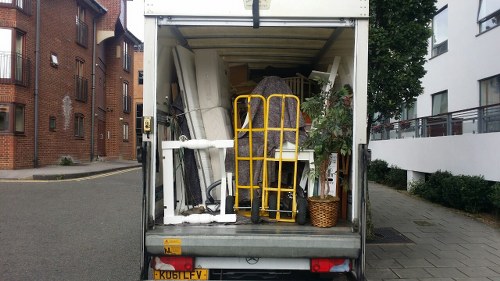
Not every job needs the same type of collection. Some customers want a skip for a short domestic project, while others need regular support during trade work or a larger clear-out. Our range includes same day skip hire for time-sensitive situations, rubbish removal for general unwanted items and man and van where a lighter alternative is more suitable. The choice depends on access, waste type and how quickly the material needs to be moved.
For bulky contents that are not best handled by a skip, office clearance and house clearance can remove mixed items in a more managed way. If you are dealing with a business unit, storeroom or workspace, commercial skip hire offers a useful route for repeated or larger-volume waste generation. Each service supports a different pattern of disposal, so choosing the right one early can save unnecessary handling.
If you are unsure which page fits the job, start with the waste itself and then work through the access and volume. That approach is often quicker than trying to force every clear-out into the same method. Book online or request a quotation when you are ready to move forward.